







Personal Guidance, Thoughtfully Explained
Understanding Your Concern
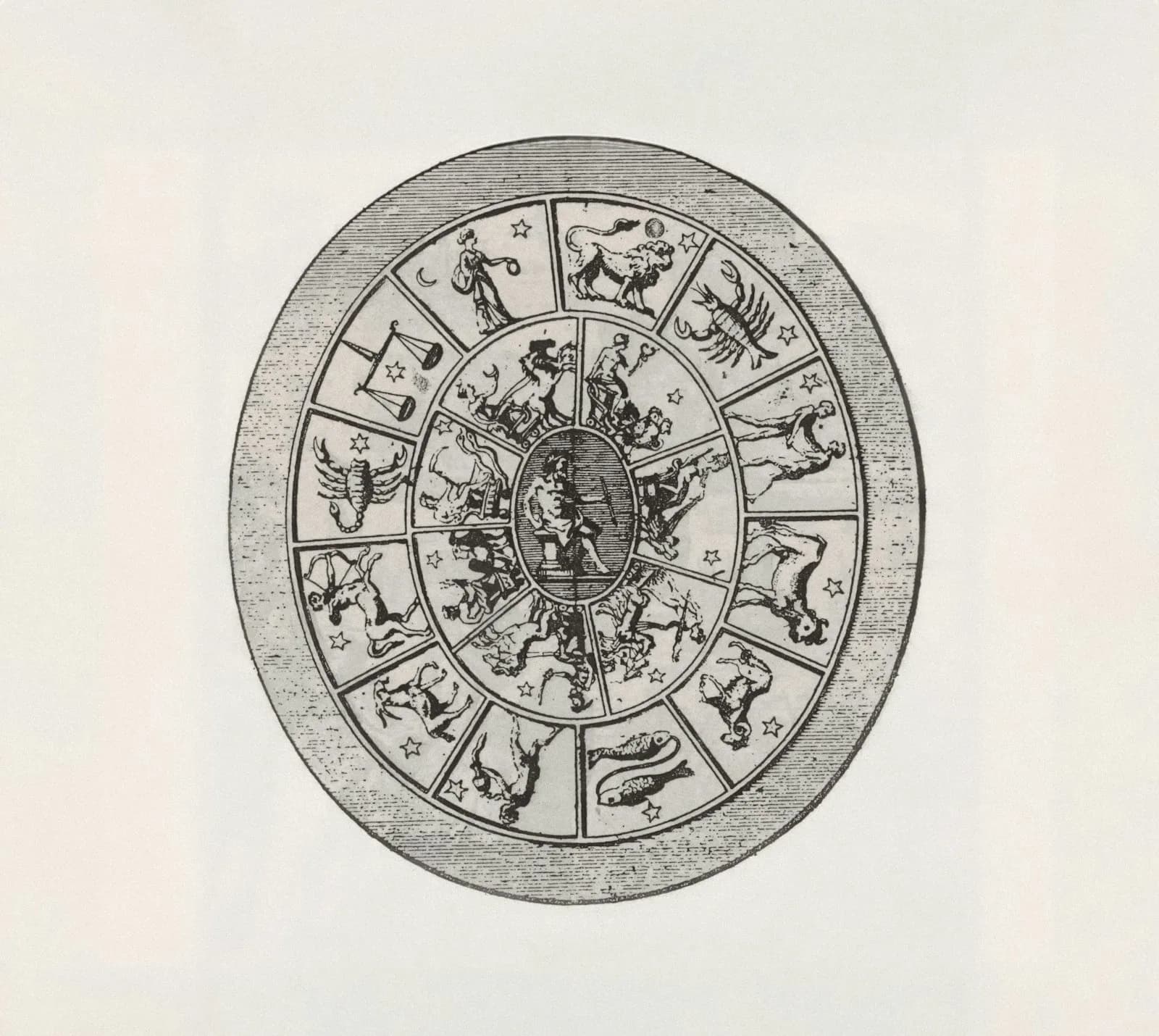
A janam kundali is the map of the sky at the moment you were born, and a full reading of it is the foundation for everything else an astrologer might tell you. Questions about marriage, career or health are all answered from the same chart, which is why it is worth having read properly once rather than in pieces. What a good reading gives you is not a list of predictions but an account of how your chart tends to behave: which areas of life run smoothly, which take effort, and which periods are likely to bring change. Most people arrive having had three or four partial readings over the years, each answering one question, several contradicting each other. A single careful reading of the whole chart usually resolves more of that than another partial one would.
- Wanting a complete reading rather than a single question answered
- A chart prepared years ago that was never properly explained
- Uncertainty about your exact birth time
- Conflicting readings from different astrologers
What is examined
What a Full Kundali Reading Covers
A chart is not a list of separate facts to be looked up. Its meaning lies in how the parts relate — a strong planet in a weak house behaves quite differently from the same planet in a strong one, and a yoga that reads impressively on paper may be cancelled by something three houses away.
It helps to know what is actually being examined before any conclusion is drawn from it.
- The ascendant and its lord, which describe temperament and how you meet the world.
- The Moon's position, which governs emotional pattern and is central in Vedic practice.
- All twelve houses, each covering a distinct area from family and wealth to profession and loss.
- The condition of each planet, including any that are debilitated, exalted or combust.
- The dasha sequence, which sets out the order and length of the periods you will run.
- Major transits over the coming years, particularly those of Saturn and Jupiter.
- Any yogas formed in the chart, along with an honest view of how strongly they apply.
- Doshas where genuinely present, together with the factors that cancel them.
How periods work
Why the Dasha Sequence Matters More Than the Placements
If there is one thing worth taking away from a first reading, it is how the period system works, because it explains more of ordinary experience than any other part of the chart.
The vimshottari dasha divides a life into planetary periods of fixed length — Venus runs twenty years, Saturn nineteen, the Sun six — each subdivided again. The chart describes what is possible; the period decides when. A placement promising a good marriage does nothing at all until a period connected to it runs, which is why two people with similar charts can have entirely different decades.
This is also why the same person can feel that everything works for six years and nothing works for the next three, with no change in their effort or their circumstances. They have moved from one period into another.
Knowing your sequence is genuinely practical. It tells you which years are worth pushing in and which are better spent consolidating, and it stops you concluding that a hard stretch is a permanent condition. Most of the useful advice an astrologer gives comes from this rather than from anything dramatic in the birth chart itself.
- Periods of fixed length, each subdivided, running in a set order
- The chart says what is possible; the period says when
- Why effort and result stop matching for years at a time
- Which years are worth pushing in and which are for consolidating
Getting it right
How to Prepare for a Kundali Reading
Most of what follows is practical, and much of it costs nothing at all. The single most valuable thing you can bring is an accurate birth time, and the second is honesty about how accurate it actually is.
- Bring the date, time and place of birth as precisely as they are recorded.
- Say plainly where a birth time is approximate rather than offering a guess as fact.
- Bring the hospital record or birth certificate if you have it, since family memory drifts.
- Note the questions that matter most to you, so the reading can be weighted towards them.
- Mention any previous reading and what it said, particularly if it worried you.
- Expect a description of tendencies rather than a list of fixed events.
- Allow enough time, since a full reading is not a five-minute exchange.
Birth time
What to Do When the Birth Time Is Uncertain
This is the most common obstacle, and it stops far fewer readings than people expect. A great many people born at home, or born before hospital records were routine, have a time that came from a relative's memory decades later.
An hour's error moves the ascendant by roughly half a sign, which shifts every house boundary in the chart. That matters for anything read from house position — marriage, career, property — and matters much less for the Moon, the planetary positions and the dasha sequence, which are all reliable from the date alone.
So the honest answer is that a reading is still worth having, with its limits stated. Where the time is uncertain, rectification techniques narrow it by working backwards from events you can date: a marriage, a bereavement, a move abroad, a serious illness. Several confirmed events usually bring an uncertain time down to a workable window.
What you will not get here is a confident reading built on a guessed time presented as fact. Where the chart cannot support a conclusion, that is said.
- An hour's error moves every house boundary; the Moon and the periods survive it
- Rectification works backwards from events you can date
- Several confirmed events usually narrow it to a workable window
- Where the chart cannot support a conclusion, you will be told so
Astrological help
How Dr. Piru Pandit Can Help
Dr. Piru Pandit prepares each chart by hand before the consultation rather than reading from generated software output, which matters because the interpretation lies in how the placements relate to one another rather than in any single line of text.
The reading covers the whole chart and then concentrates on the areas you care about most. Where the birth time is uncertain, the techniques for narrowing it are used and the resulting limits are stated openly rather than glossed over.
You will be told what the chart supports and what it does not, including where a previous reading appears to have overstated something. Nothing is dramatised to encourage a follow-up consultation, and most readings end without any purchase being suggested at all.
Simple & Confidential
How Your Consultation Works
- 1
Share Your Details
Date, time and place of birth, along with the questions that matter most to you.
- 2
Detailed Chart Study
Your chart is prepared and read by hand before the consultation rather than generated.
- 3
Understand the Findings
What the chart supports and what it does not, explained without jargon.
- 4
Practical Guidance
A small number of things genuinely worth doing, with the reasoning shown.
Common Questions
Your privacy matters. Personal details and consultation discussions are treated as confidential.